
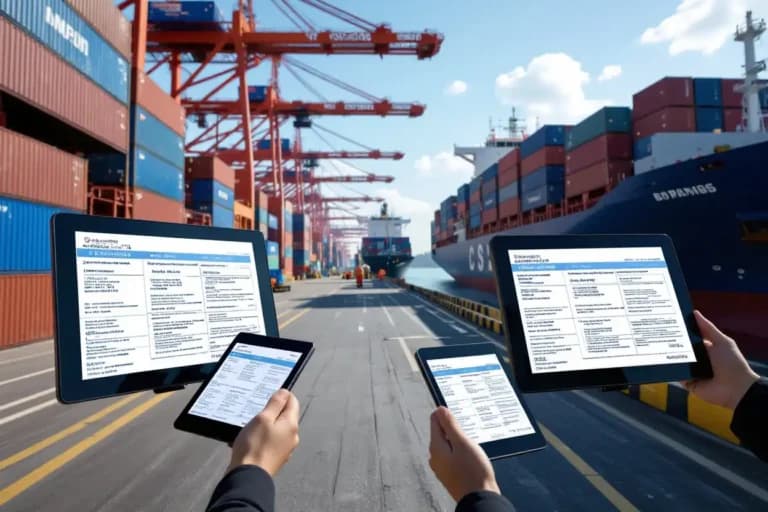
Electronic Bills of Lading (eBLs) offer a secure, faster, and more transparent way to manage shipping documents, reducing risks like fraud and delays. Platforms like Chaindox leverage blockchain to ensure documents are verifiable and legally compliant. Chaindox is aligned with UNCITRAL MLETR and has built-in smart compliance checks.
The Digital Transformation of Shipping
Shipping's evolution from paper to digital has accelerated management of complex global logistics. Electronic documentation reduces delays from lost or forged papers, cutting transaction times from days to hours, with real-time shipment monitoring and compliance with international regulations.
The Role of Technology in Logistics
Logistics increasingly relies on blockchain, IoT sensors, and cloud computing to automate and secure data exchange. Blockchain ensures immutable records; IoT provides live consignment updates. Cloud platforms centralize info for carriers, customs officials, and other stakeholders.
E-Bills of Lading: The Game Changer
eBLs replace paper documents with legally recognized digital versions, eliminating manual errors and accelerating cargo release. Over 90% of global container shipping companies have begun adopting eBLs. They use cryptographic technology to safeguard authenticity and ownership transfer. Chaindox offers tamper-evident blockchain documents, real-time sharing, MLETR/ICC/DCSA compliance, and custom workflows for MSMEs and enterprises.
Environmental Impact: Reducing Paper Waste
Transitioning to eBLs slashes paper usage dramatically, cutting the environmental toll from printing, storage, and disposal. Each traditional Bill of Lading can comprise multiple pages; multiplied across millions of shipments annually, waste becomes staggering.
The Carbon Footprint of Traditional Shipping
Conventional maritime documentation relies heavily on physical paperwork, contributing an estimated millions of tons of CO2 annually. Transport delays cause shipments to remain idle longer, increasing emissions and resource consumption.
Sustainability Benefits of E-BLs
Transitioning to eBLs can cut carbon emissions per transaction by up to 90% compared to paper-based processes. eBLs reduce energy consumption linked to document handling and logistics. Blockchain-enabled platforms like Chaindox ensure tamper-proof documents, drastically reducing duplicated shipments and lost paperwork, supporting ESG targets.
Elevating Security and Efficiency
Implementing eBLs enhances shipping security by embedding data verification directly into the document's digital fabric. It reduces administrative overhead, eliminates vulnerabilities inherent in paper systems such as loss or counterfeit, and accelerates the entire supply chain process.
Reducing Fraud and Enhancing Verification
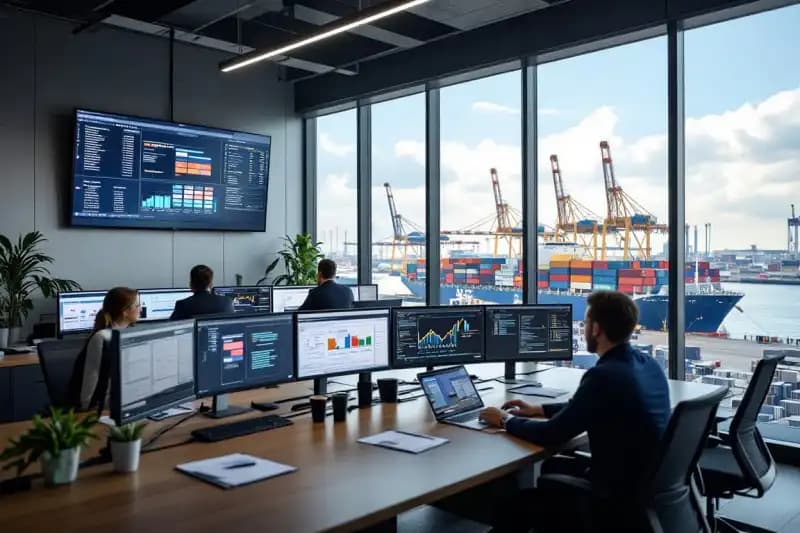
eBLs use blockchain to ensure every transaction is time-stamped and immutable, making it significantly harder for fraudulent documents to infiltrate the shipping process. Authenticity can be verified instantly without relying on third-party intermediaries.
Streamlining Operations for Faster Delivery
eBLs cut turnaround time from cargo dispatch to delivery by handling document transfer and ownership confirmation digitally in real-time. Companies like Maersk have reported up to a 40% reduction in processing time. eBLs automate data entry and synchronization across carriers, freight forwarders, and customs authorities, reducing the shipping cycle from days to mere hours.
Legal Perspectives: The Shift Towards Acceptance
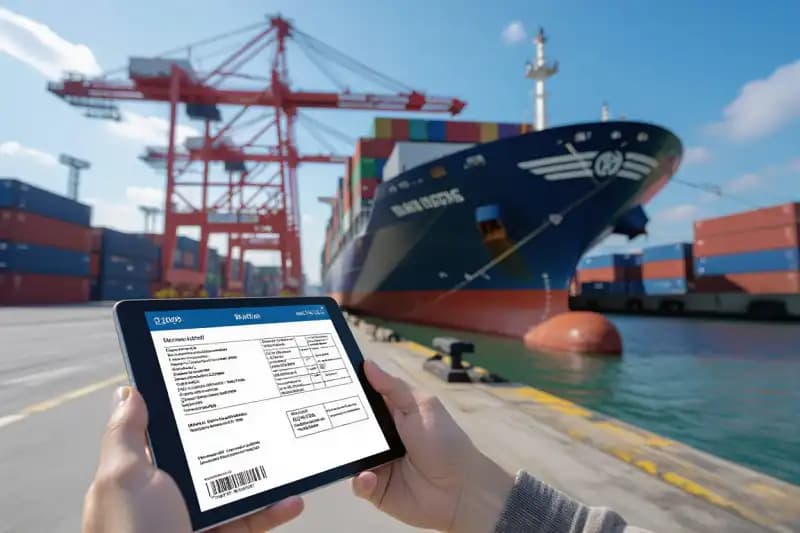
Legal systems worldwide have begun recognizing eBLs as valid and enforceable. Jurisdictions like Singapore and the UK have enacted legislation explicitly endorsing eBLs. Adapting laws to accommodate blockchain and digital signatures enhances trust and smoother cross-border transactions.
Adapting Regulatory Frameworks
Regulators are modernizing maritime and trade laws to integrate eBLs into international commerce. The Rotterdam Rules and UNCITRAL Model Law on Electronic Transferable Records offer guidelines ensuring legal equivalence between electronic and paper instruments.
The Future of Electronic Documentation in Trade
Over 70% of global shipping volumes are predicted to use eBLs or similar digital records by 2028. Digital ecosystems will integrate multiple documents — customs declarations, certificates of origin, invoices. Projects like the Digital Container Shipping Association (DCSA) are creating open standards enabling interoperability between different carriers, ports, and regulatory bodies.
Bridging the Gap: Adoption Challenges and Solutions
Switching to eBLs can feel daunting due to entrenched habits and regulatory complexities. Pushback from stakeholders hesitant to abandon paper processes and inconsistencies in legal recognition across jurisdictions are key challenges.
Resistance from Traditionalists
Traditionalists trust the tangible control of paper and are wary of digital security risks. Concerns about legal enforceability and system interoperability add to hesitation, especially in industries with tight compliance standards.
Strategies for Successful Transition
Gradually integrating eBLs by running parallel systems builds confidence among hesitant partners. Piloting in smaller, controlled shipments can reduce risk. Some firms report up to 25% savings in document handling costs. Collaboration platforms facilitate seamless communication across the supply chain.
Final Words
eBLs revolutionize shipping by replacing cumbersome paper processes with secure, efficient digital solutions. Leveraging platforms like Chaindox streamlines trade documentation while enhancing transparency and compliance, ultimately reducing costs and minimizing risks associated with manual errors and fraud.